Key takeaways
CMS cites life safety problems by K-tag on Form CMS-2567.
Annual fire door testing deficiencies are cited under K211, per CMS memo S&C 17-38.
Door, damper and barrier findings show up under a handful of other tags too.
Who this applies to
Healthcare providers certified for Medicare and Medicaid that CMS surveys under the Life Safety Code, including hospitals, critical access hospitals, nursing homes and ambulatory surgery centers. CMS enforces the 2012 edition of NFPA 101 and NFPA 99. State survey agencies and accrediting organizations such as The Joint Commission survey against the same code, so the same K-tags shape findings in all of these settings.
The tags we see most
K-tag | Topic | What gets it cited |
|---|---|---|
K211 | Means of egress, general | Fire doors not tested annually or failing NFPA 80 |
K321 | Hazardous areas | Doors to hazardous rooms that do not self-close or latch |
K363 | Corridor doors | Corridor doors that do not latch or have gaps |
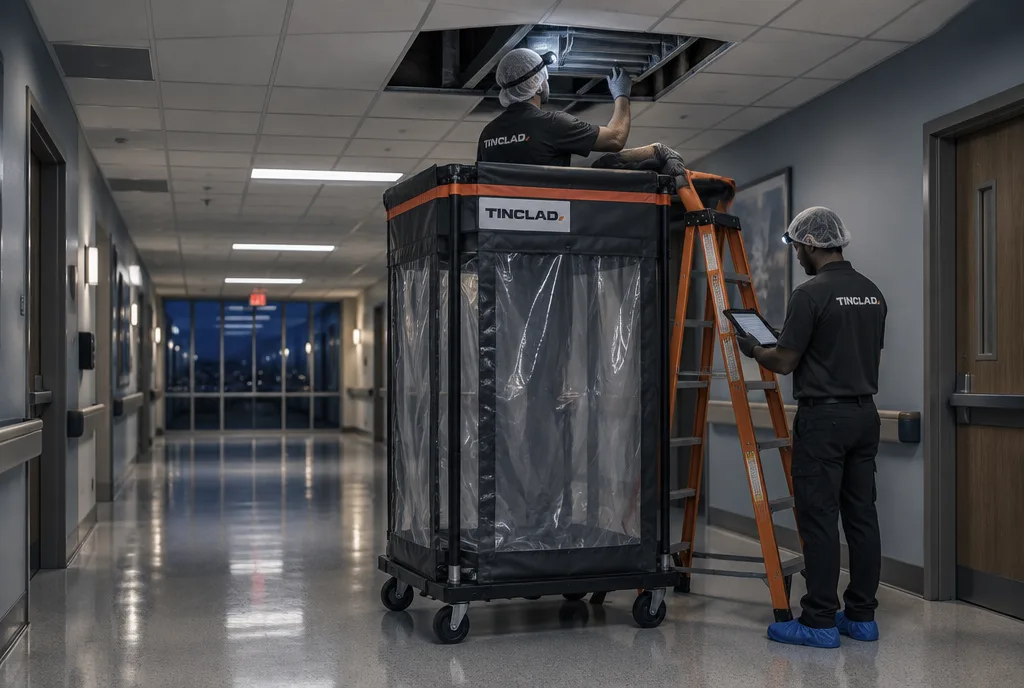
K372 | Smoke barrier construction | Open penetrations in smoke barrier walls |
K374 | Smoke barrier doors | Smoke barrier doors that do not close or seal |
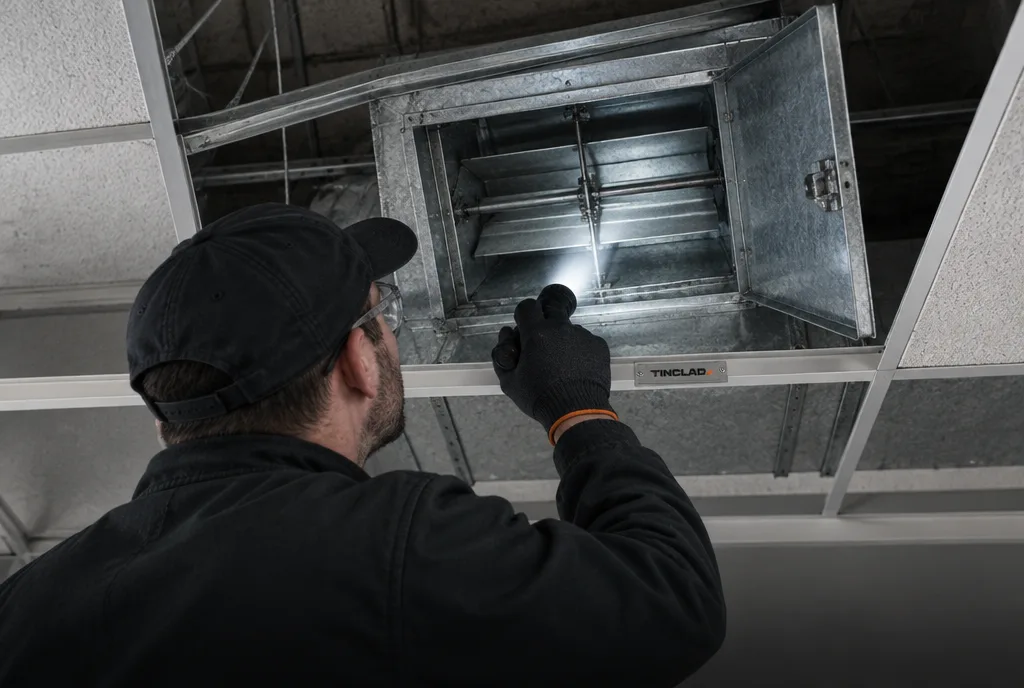
K521 | HVAC | Dampers not tested or not working |
What the annual door rule requires
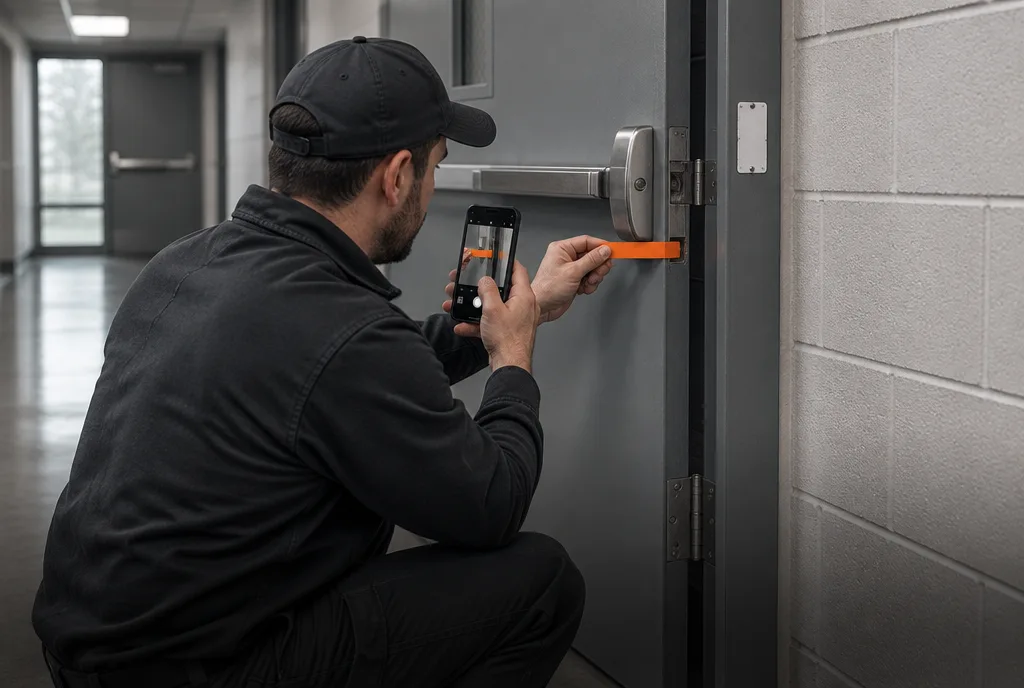
The 2012 Life Safety Code requires annual inspection and testing of fire door assemblies under the 2010 edition of NFPA 80. S&C 17-38 told surveyors to cite those deficiencies under K211 and set full compliance for January 1, 2018. The same memo says non-rated corridor doors to patient rooms and non-rated smoke barrier doors are not subject to the annual NFPA 80 or NFPA 105 test. They still have to close, latch and resist smoke, so they show up under K363 and K374, and they belong in your routine maintenance program.
Common findings behind these tags
No annual fire door report, or a report that skips doors
Rated doors that do not self-close and latch
Painted-over or missing fire door labels
Gaps beyond NFPA 80 limits
Cable, pipe or conduit through a smoke barrier with no listed firestop
Dampers past their 4-year (or 6-year hospital) test window, or with no record at all
How to clear a K-tag
Fix the item, document the fix with photos and a re-test, and attach the record to your plan of correction.
The plan of correction is due 10 calendar days after you receive the Form CMS-2567. The day you receive it is day 0. Each line of the plan should name the deficiency, what you fixed, how you checked the rest of the building for the same problem, how you will keep it from coming back, who owns it and the completion date.
How to document it for the surveyor
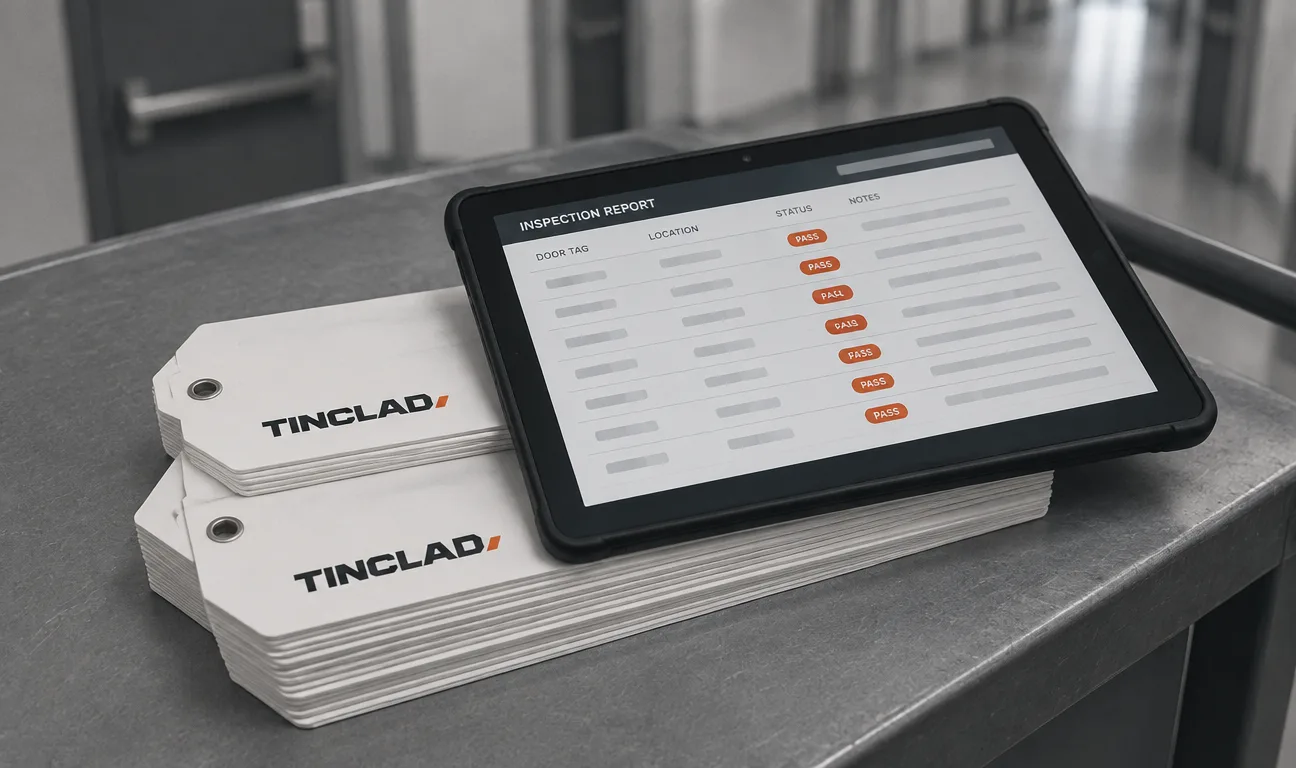
Keep one report per system: doors, dampers and barriers, each item with an ID, a location, the result and a photo.
Show how and when every deficiency was corrected, and who did the work.
Mark doors, dampers and barrier findings on your life safety drawings so a surveyor can walk from the report to the item.
Keep the previous cycle's records. Surveyors often ask to see that the last cycle was complete.
How Tinclad helps
We fix the items behind the most common tags: annual fire door inspection and fire door repair for K211, K321, K363 and K374, fire and smoke damper inspection for K521, and firestop inspection for K372. If you already have a 2567, our Priority Repair program is built around plan-of-correction deadlines. Get a quote and send us the citation.
Frequently asked questions
Get a written scope in 2 business days
Code library