CMS · NFPA 101 · AAAHC · TJC
Who surveys you
CMS. Medicare-certified surgery centers are surveyed to the 2012 Life Safety Code, the same edition CMS uses for hospitals. The state survey agency runs the visit and cites findings by K-tag.
AAAHC and The Joint Commission. Accredited centers are also checked against their accreditor's life safety standards.
The local fire marshal. Your building still answers to the fire code your town adopts.
What gets cited most
Fire doors with no record of an annual NFPA 80 test
Corridor and suite doors that do not latch, or have gaps over 1/8 inch
Painted labels and hold-opens that do not release
Open penetrations above procedure rooms after IT, medical gas or HVAC work
Dampers that were never found or never tested
What we cover
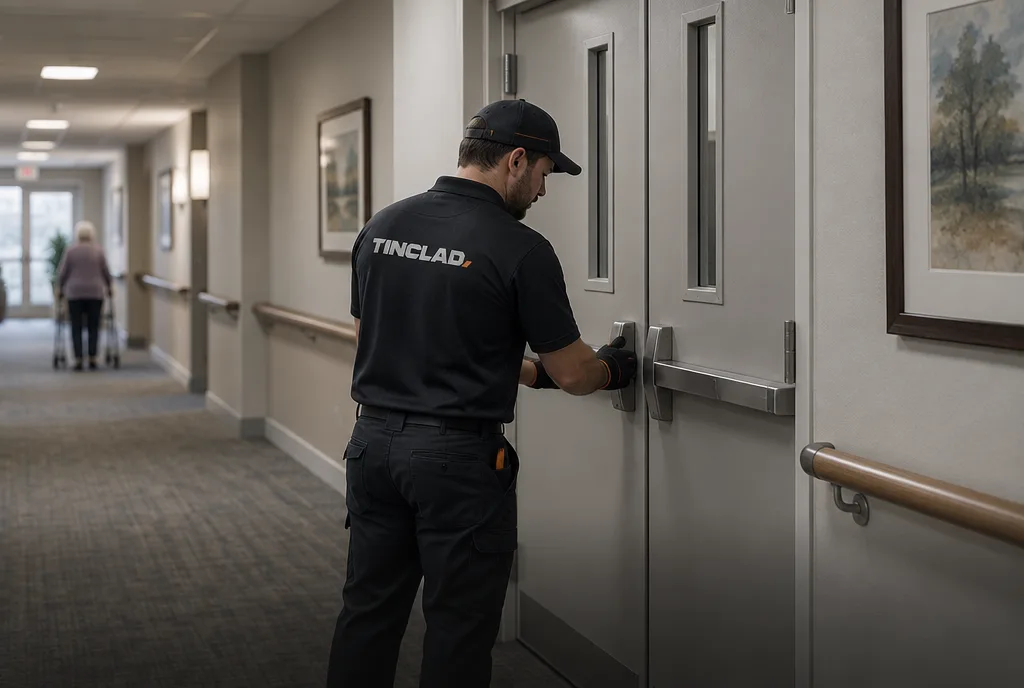
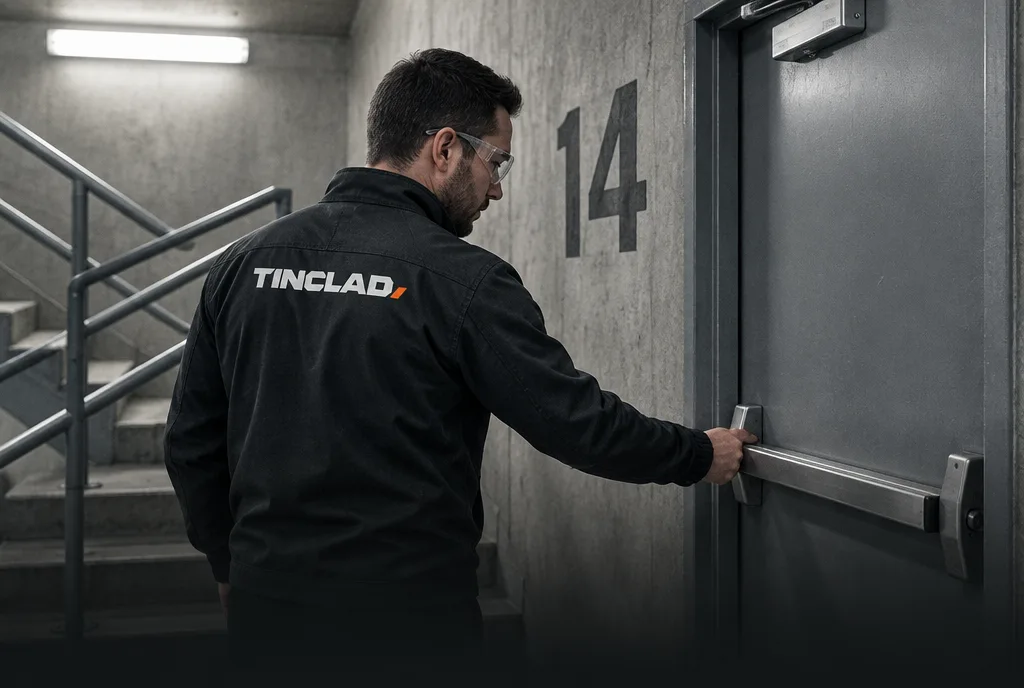
Annual fire door inspection and repair
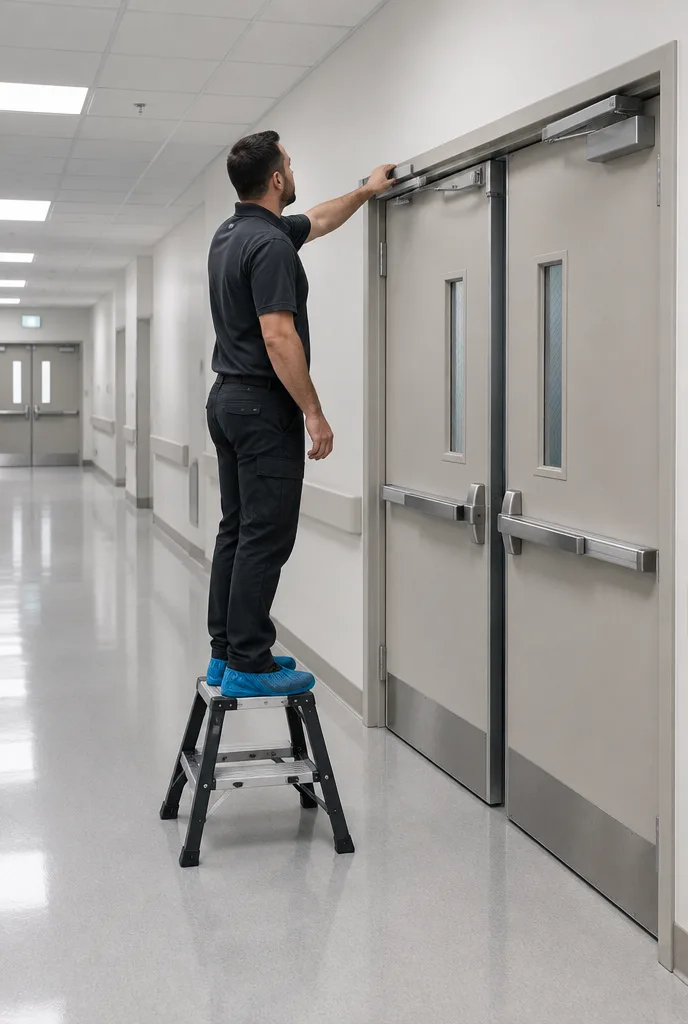
Smoke and fire damper testing every 4 years
Firestop surveys above procedure rooms and corridors
One report for your accreditor, whether CMS, AAAHC or The Joint Commission
The 6-year damper interval is for hospitals only. Surgery centers stay on the 4-year cycle in our fire damper testing schedule guide.
How we work around patients
We book your building on non-case days, so your OR schedule never moves. Ceiling work above sterile and procedure areas follows your infection control rules. Before we leave, every door is closed and latched and every ceiling tile is back in place.
What your report gives you
A one-page summary with openings inspected, pass rate, failures by type and repair cost. Then one line per door and damper with location, result, code reference and photo, plus after photos for every fix. Your administrator gets a clean record to show any surveyor. See a sample inspection report.
Services that matter most
For medical office buildings
Owners and property managers of MOBs get one vendor for every tenant suite, one report per building, and documentation ready for each tenant's accreditor.
The Survey-Ready Program keeps doors, dampers and firestop on one yearly schedule. If a survey has already cited you, Priority Repair walks the findings and gives you a dated plan. To start, get a surgery center fire door inspection quote.
Frequently asked questions
Get a written scope in 2 business days
Who we serve