Key takeaways
On January 1, 2026, The Joint Commission's hospital program moved environment of care and life safety into a new Physical Environment (PE) chapter.
Fire doors and barrier penetrations now score under PE.03.01.01. The detailed code checks moved into the survey process guide and K-tag tools.
The underlying rules did not change: NFPA 80 annual inspection, the 2012 Life Safety Code, and CMS K-tags.
The move does not apply to the ambulatory health care program at this time. If you run another program, check your own manual.
What changed in 2026?
The chapter names and numbers, not the physical requirements.
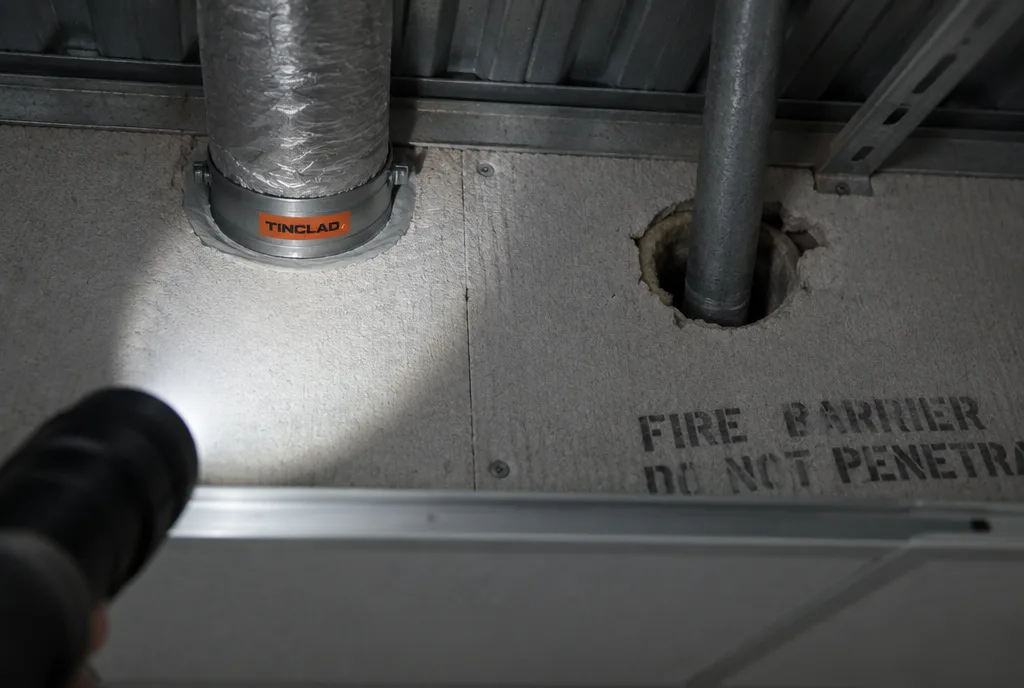
Under the Accreditation 360 update, every Life Safety (LS) and Environment of Care (EC) standard in the hospital and critical access hospital manuals was renumbered into the PE chapter. PE.03.01.01 requires the hospital to design and manage the physical environment to comply with the Life Safety Code (NFPA 101, 2012 edition, with its tentative interim amendments). The Joint Commission says fire-rated doors and fire barrier penetrations, two of the most-scored life safety findings, now score under PE.03.01.01 EP 3.
The long lists of detailed elements of performance are gone from the manual. Surveyors now work from the Survey Process Guide, which follows the CMS Conditions of Participation, and its CMS K-tag evaluation tools. Your organization gets the same guide the surveyor uses, so read it.
Who this applies to
Hospitals and critical access hospitals accredited by The Joint Commission. The Joint Commission says the move to the PE chapter does not apply to the ambulatory health care program at this time, and business occupancies within the hospital program are still surveyed under the LS.05 standards. If you run another program, check your own manual before you change any policy numbers.
What surveyors still look for
Doors that latch, gaps within limits, legible labels, working closers, no wedges, sealed penetrations and complete inspection records.
Common failures on fire doors
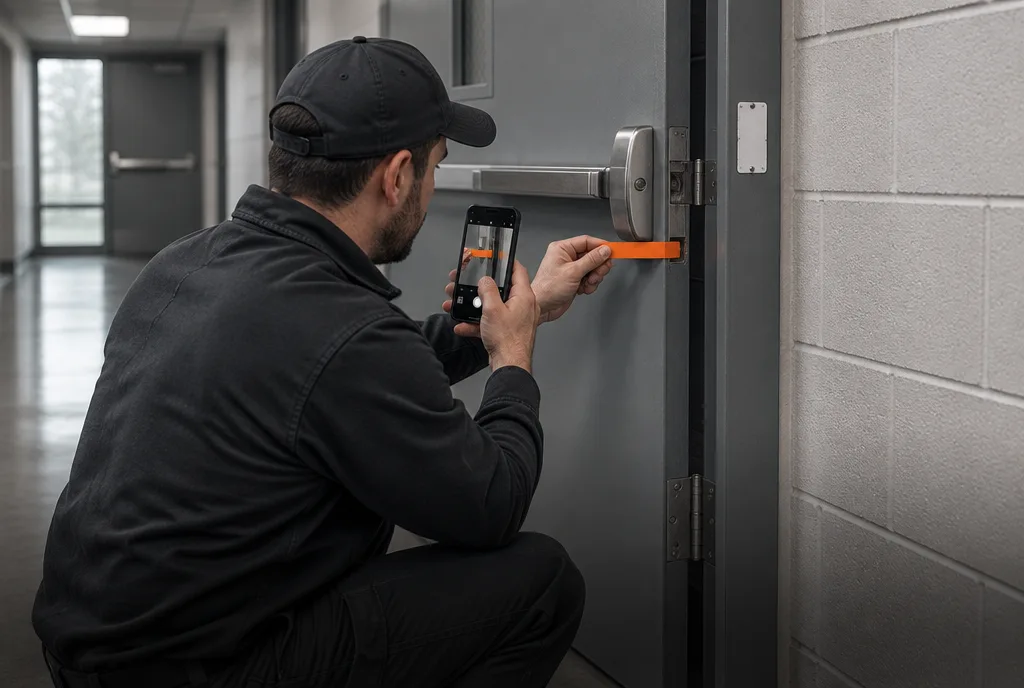
Doors that do not self-close and latch from any open position
Gaps at the edges or bottom beyond NFPA 80 limits
Labels painted over, removed or unreadable
Field changes such as added kick plates, holes or hardware that void the listing
Doors held open with wedges or hooks instead of a listed release device
An annual inspection that missed doors, or a report with no record of how failures were fixed
Old number to new number
The Joint Commission says the fire door and fire barrier penetration requirements that used to score in the LS.02 section for health care occupancies now score under PE.03.01.01 EP 3.
The Joint Commission's pre-publication page has a disposition report and crosswalk compare reports that show where each old element of performance went. Update the standard numbers in your policies, your environment of care reports and your door inspection records so they match.
How to document it for the surveyor
Have the annual NFPA 80 door report ready for the document review session. It should list every rated door by ID and location, show the result of each check, name the inspector and date the work, and show when and how each deficiency was corrected. Open findings belong on a dated plan. Where a deficiency cannot be fixed right away, assess it for interim life safety measures, which now sit under PE.03.02.01.
How to prepare
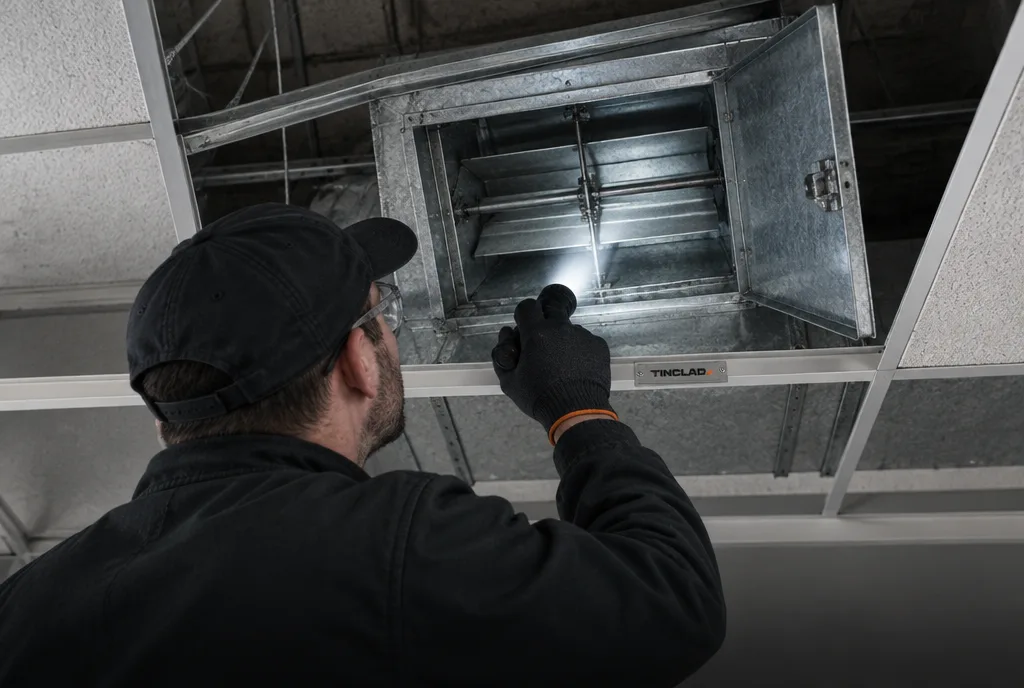
Annual door test complete and documented, damper cycle current, an above-ceiling walk of smoke compartment walls, and every open finding on a dated plan.
How Tinclad helps
Our annual fire door inspection checks every rated door against NFPA 80 and gives you a report a surveyor can trace door by door. Failed doors go to fire door repair, and our Survey-Ready Program keeps doors, dampers and firestop on one yearly schedule for hospitals. Get a quote before your survey window opens.
Frequently asked questions
Get a written scope in 2 business days
Code library