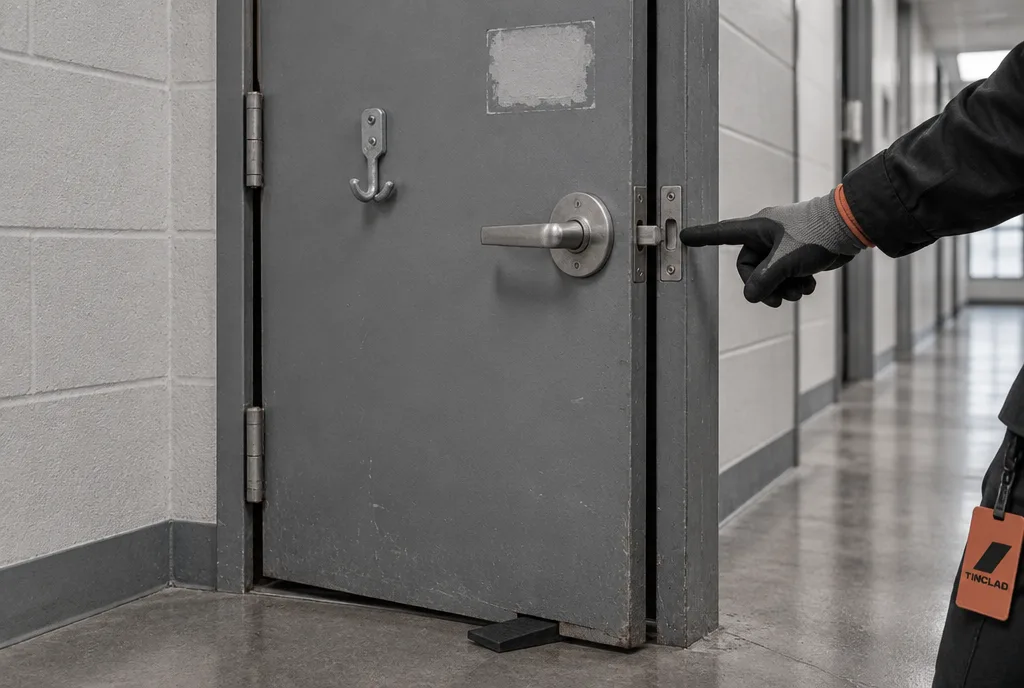
Staff prop fire doors open for good reasons: carts, beds, airflow, convenience. Surveyors still cite it. The good news is that a fire door can stay open legally, as long as the right device holds it and lets go when the alarm sounds. Here is what is allowed, what is not, and what surveyors check.
The basic rule
A fire door has to close and latch on its own during a fire. If it is standing open when the alarm goes off, something has to release it. That is the whole idea behind a hold-open device: the door stays open for daily use and closes automatically when it matters.
Anything that holds a fire door open without releasing on alarm is not allowed. NFPA 80 does not permit fire doors to be blocked, wedged or obstructed in a way that keeps them from closing.
What is allowed
Magnetic hold-opens. An electromagnet on the wall or floor holds the door. When the fire alarm or a smoke detector trips, power to the magnet drops and the closer swings the door shut.
Closer-holders. A door closer with a built-in electromagnetic hold-open, tied to the fire alarm or to its own smoke detector. It releases the same way.
Both should fail safe. If the building loses power to the device, the door should close.
What gets cited
Wedges. Wood, rubber or a folded piece of cardboard. All of them.
Kick-down stops. The foot-operated holder on the bottom of the door. It does not release on alarm.
Hooks, chains and straps. Same problem.
Furniture, carts and trash cans. Anything parked in the swing of the door.
Closers with a mechanical hold-open arm. A closer that can be set to stay open by hand is not allowed on a fire door, because nothing releases it.
A surveyor who sees any of these does not need to test anything. It is a finding on the spot.
Devices that are installed but do not work
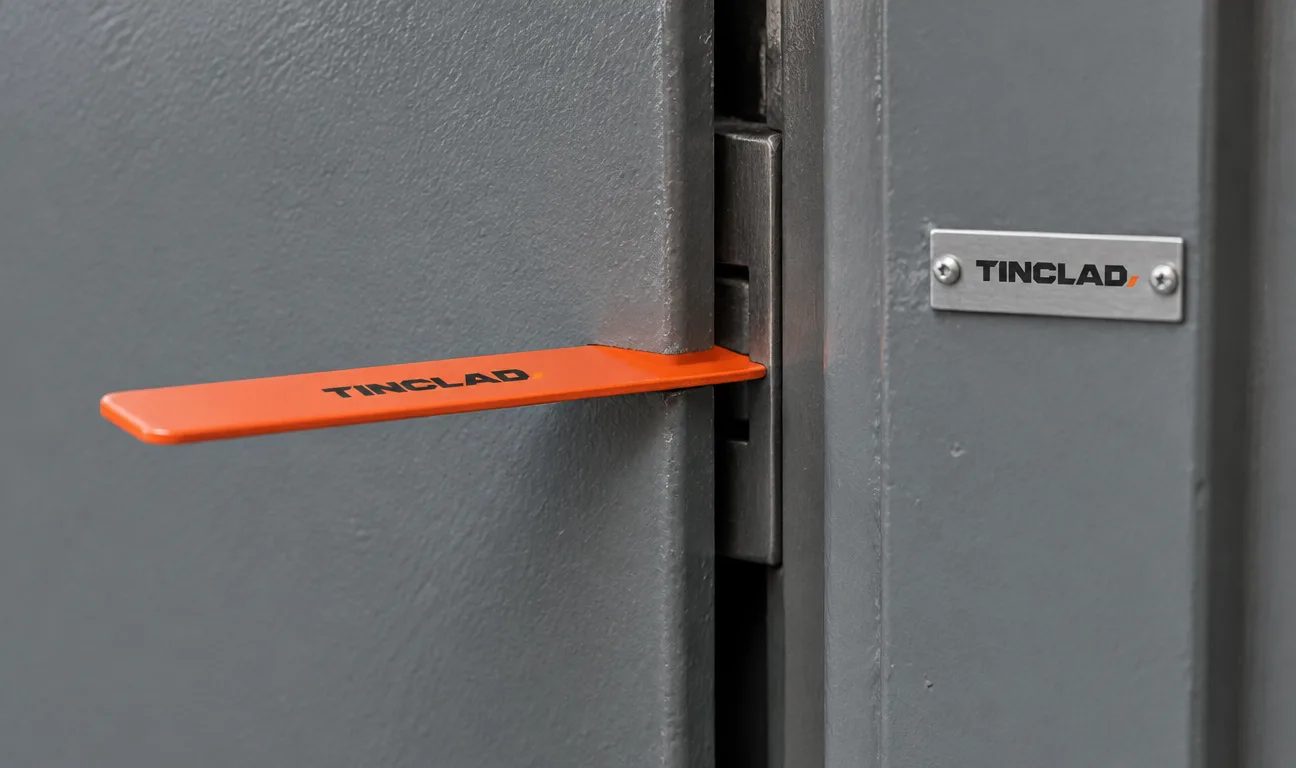
The hold-open problem we find most is not a wedge. It is a magnetic holder that was installed correctly years ago and no longer releases. Hold-open devices that do not release are a common hospital citation, and they are easy to miss because the door looks fine every day.
Here is how they fail:
The holder was wired to a circuit that is not tied to the fire alarm, so it never gets the signal.
A failed magnet was swapped for one that is not connected to the alarm at all.
The plate on the door has worn or bent, so the door sticks to the magnet after power drops.
The door releases, but the closer is too weak to shut it from full open, or it swings shut and does not latch.
That last one matters most. A hold-open that releases is only half the job. The door still has to close fully and latch, the same as it would after a normal push.
What surveyors check
A surveyor walking a corridor looks for doors held open and asks how. If it is a magnet, they may ask to see it release, or ask for the record that shows it was tested.
In healthcare, CMS cites fire door problems under K211, and smoke barrier door problems under K374. The Joint Commission scores fire doors under PE.03.01.01 in its hospital program as of 2026. The wording differs, but the cause is the same: a door that will not close on its own.
How we check them
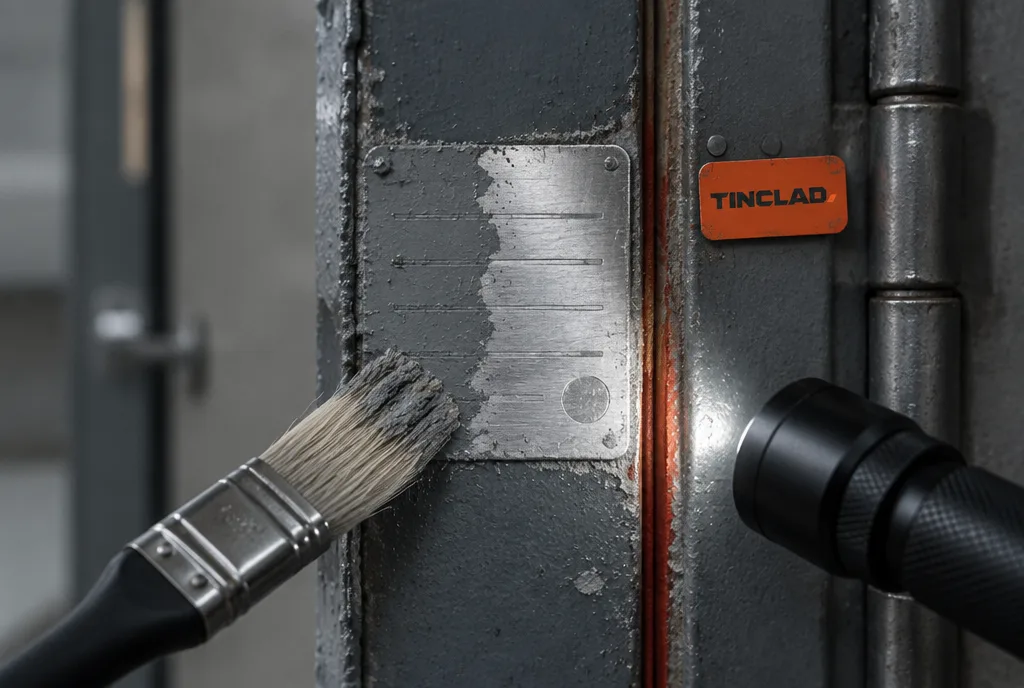
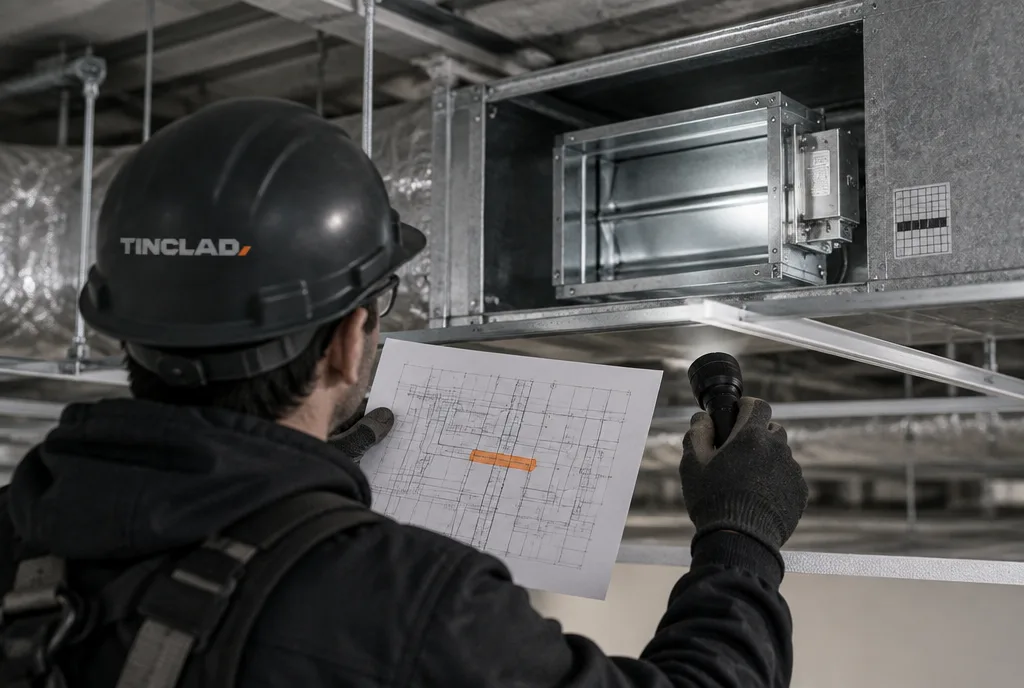
During an annual NFPA 80 inspection, we note every hold-open device on every rated door. We check that the door closes fully and latches from the full-open position, and that the holder is not a manual type. Where a release test needs the fire alarm, we coordinate with your alarm vendor so the test is done once and recorded once.
When a holder does not release or is the wrong type, we replace it with one wired to release on alarm, then retest the door and close it out in your report.
A note for your staff
If staff keep propping the same door, that door is telling you something. People need it open. A hold-open wired to the alarm gives them that, legally, and costs less than a repeat finding.
What to do next
If you have doors that get propped, or magnets nobody has tested, start with a walk of your rated doors. Our fire door repair crew installs and rewires hold-open devices to release on alarm, then retests every door. Get a quote or call (610) 684-9715.
Insights