Damper testing has a reputation for surprise bills. A building goes years without testing, then pays for every damper at once, plus repairs nobody planned for. It does not have to work that way. With an accurate count and a rolling schedule, a 4-year damper cycle becomes a steady line in your budget. Here is the method.
Start with the rule
Fire, smoke and combination dampers are tested one year after installation, then every 4 years, under NFPA 80 and NFPA 105. Hospitals may test every 6 years. Nursing homes, surgery centers and commercial buildings use 4. In Philadelphia, Fire Code F-701.6.1 adds certification and filing for covered buildings on the same cycle.
The rule does not say to test them all in the same year. It says each damper has to stay inside its window.
Step 1: Get a real count
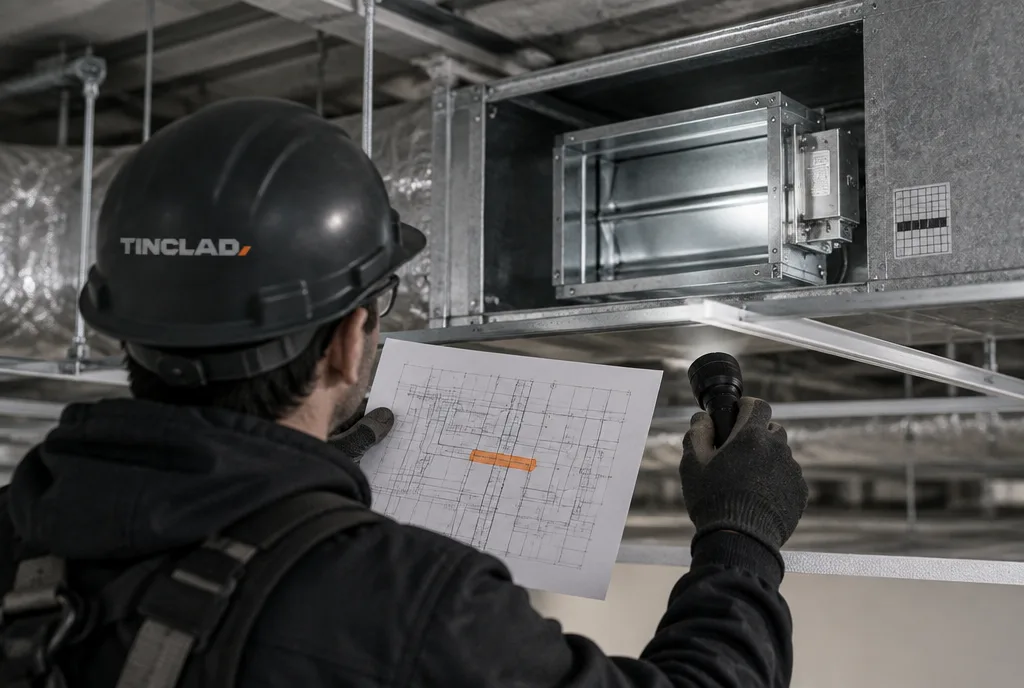
Everything else depends on this number. Most buildings have more dampers than their drawings show, because renovations add them and old plans leave them off. Budgeting from a short count means your cycle is wrong from year one.
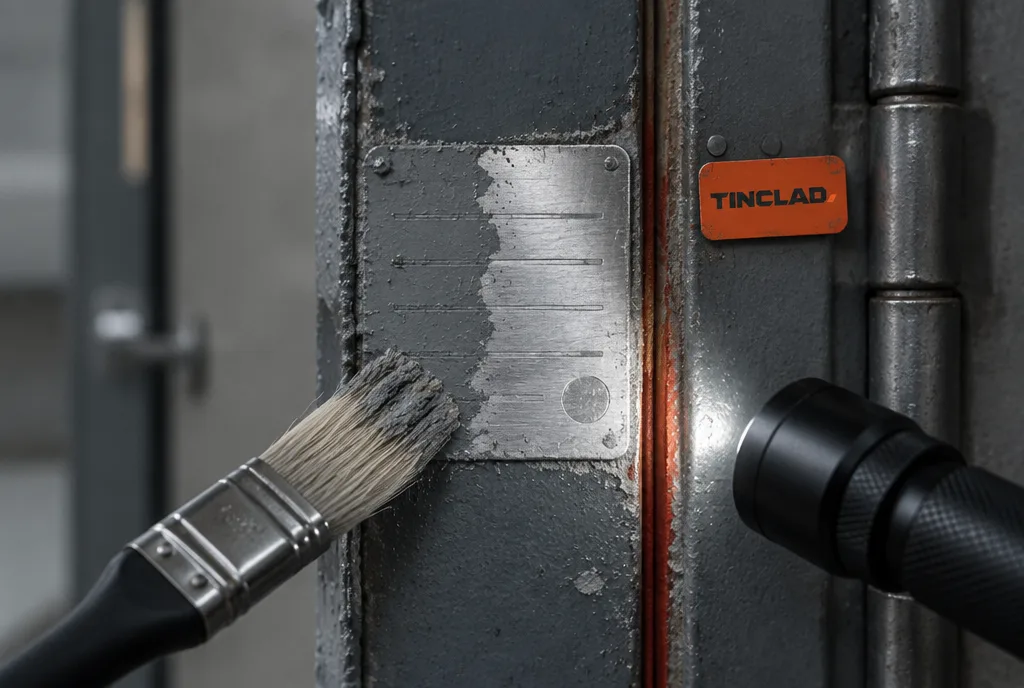
If you have never had a full inventory, make it your first-year line item. It costs more than a normal test year, because every damper has to be found, tagged and mapped. After that, the list only changes when you build.
Step 2: Split the count
Divide your inventory into batches, one per year of your cycle:
4-year cycle: test a quarter of your dampers each year.
6-year hospital cycle: test a sixth each year.
Group each batch by area, not at random. One floor, one wing or one air handler at a time keeps the crew in one place, which keeps the cost per damper down. Put the dampers with the oldest test dates in the first batch.
Some owners go further and split each year's batch into quarterly visits, so the work runs in small pieces instead of one long stretch. That helps when ceilings can only be opened a few rooms at a time.
Step 3: Price the access, not just the test
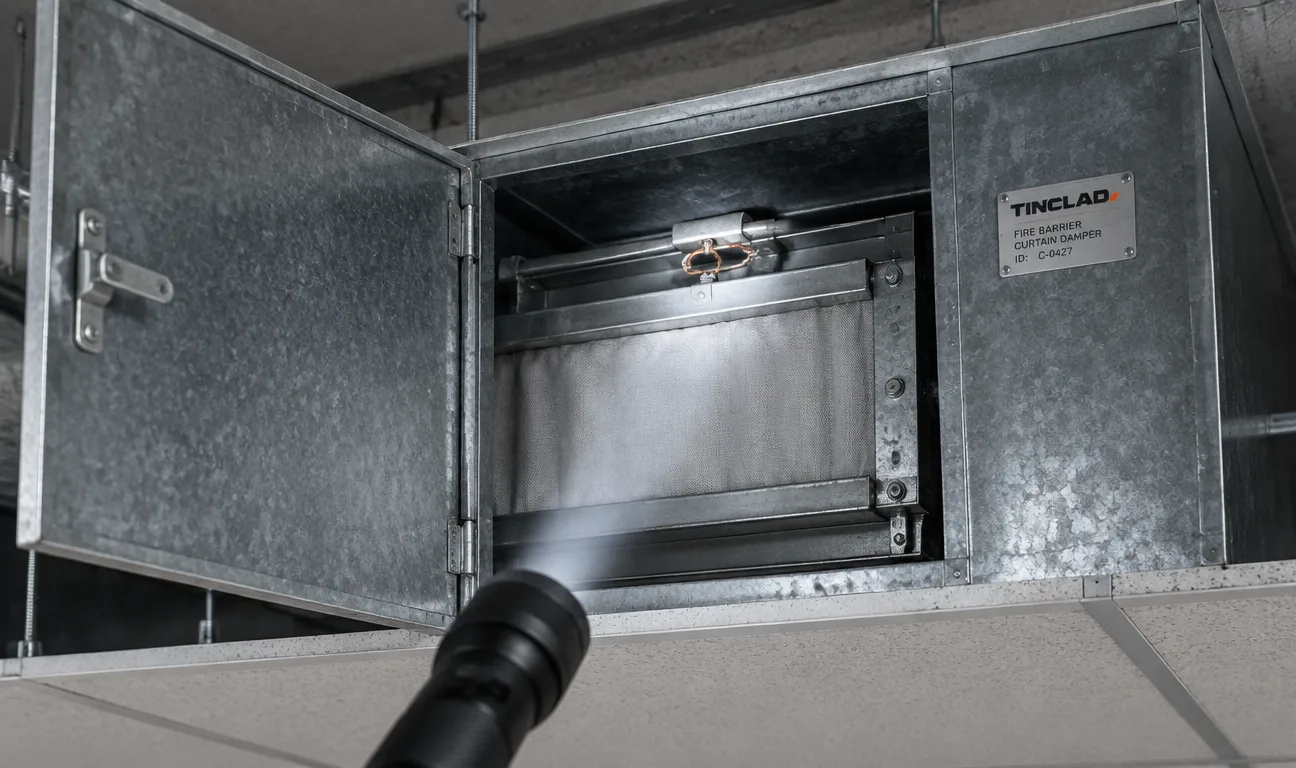
Two buildings with the same count can cost very different amounts to test. The difference is almost always access.
Hard ceilings. Dampers above drywall need an access panel. If there is none, the first test includes adding one.
High dampers. Atriums, gyms and tall mechanical rooms may need a lift.
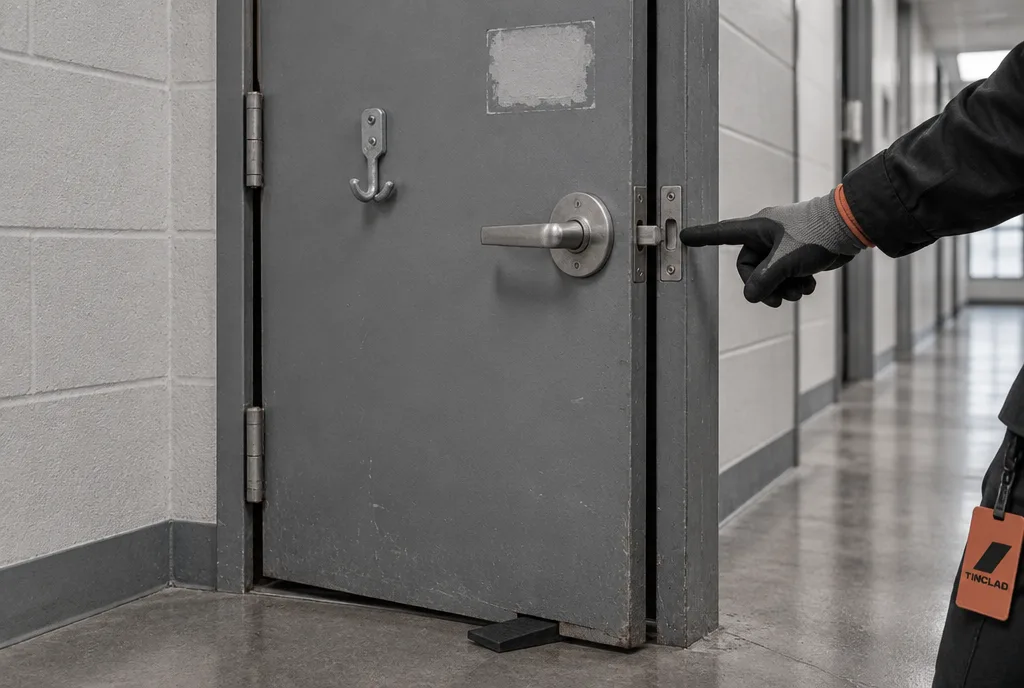
Missing access doors. NFPA 90A calls for an access door at each damper. Where the duct has none, one has to be installed before the damper can be tested.
Secure and clinical areas. Pharmacies, ORs and behavioral health units may need escorts or after-hours work.
Hours. Night and weekend work costs more than weekdays.
Controls. Smoke and combination dampers tied to the fire alarm or building controls may need your alarm or controls vendor on site.
Flag these areas in your inventory, so each year's batch carries its own access cost instead of a building-wide average.
Step 4: Set a repair allowance
Some dampers will fail. Links get painted or corroded, blades stick, springs break, and actuators stop driving the damper closed. Many of these are fixed on the same visit. A few need a new actuator or a full replacement with a UL 555 or UL 555S listed damper.
Do not guess the allowance. Use your own numbers: the failure rate and repair cost from your first full test. If you have no history yet, ask your vendor to price likely repairs line by line from the baseline, and carry that forward. Ask for repair prices to be locked for the year so the allowance holds.
Step 5: Put new dampers on the calendar
Every renovation adds work. A new damper needs its first test one year after installation, outside your normal batches. Add it to the inventory when it goes in, and add the test to next year's budget.
What the budget looks like
Put it together and each year has four lines: that year's batch of tests, the access costs for those areas, a repair allowance, and first-year tests from recent projects. After the baseline year, the total should look about the same every year. That is the point.
For per-damper ranges and what moves the price, see our inspection cost and pricing guide.
What to do next
Our Survey-Ready Program runs damper testing on a rolling cycle for a fixed yearly fee, so every damper stays current and the cost stays level. To price your own cycle, see our fire and smoke damper inspection, send us your drawings when you get a quote, or call (610) 684-9715.
Insights